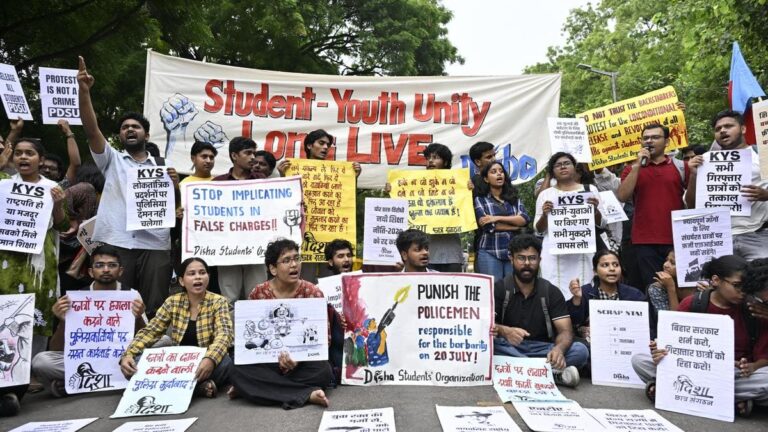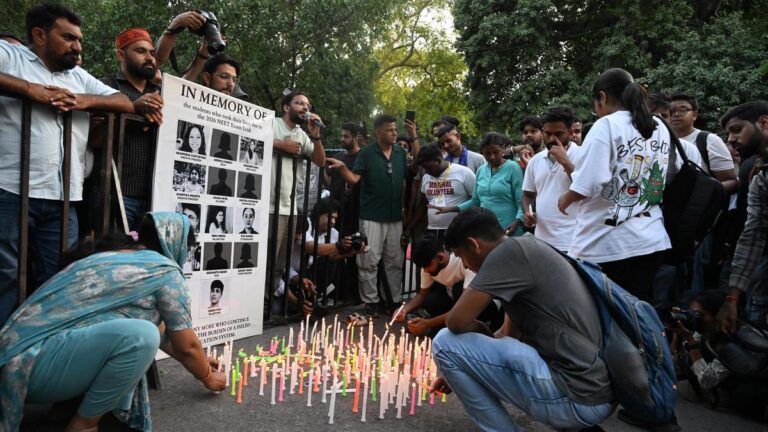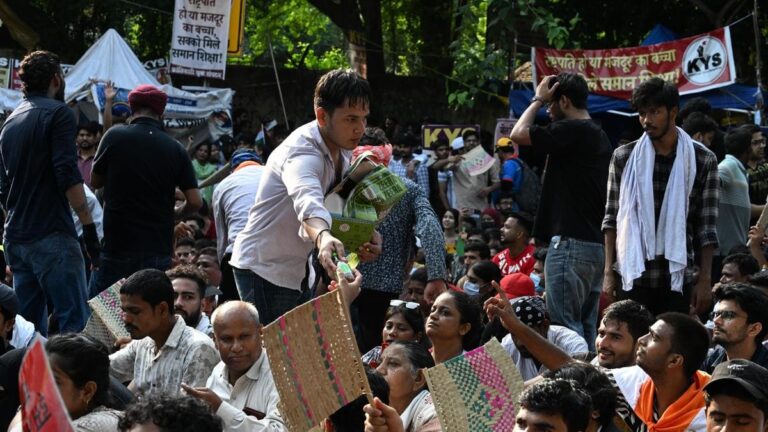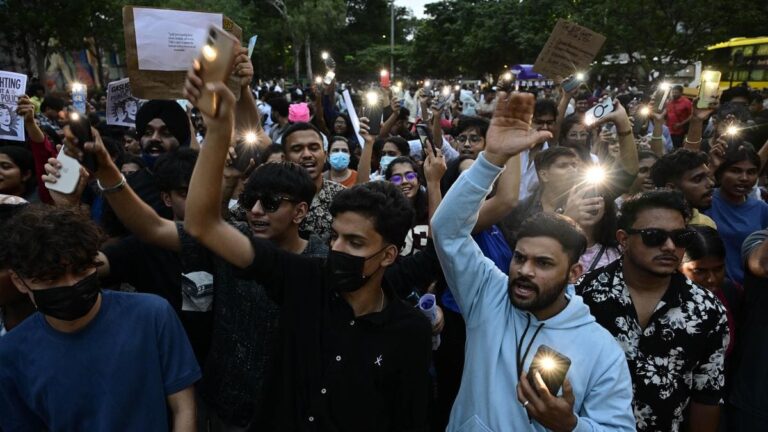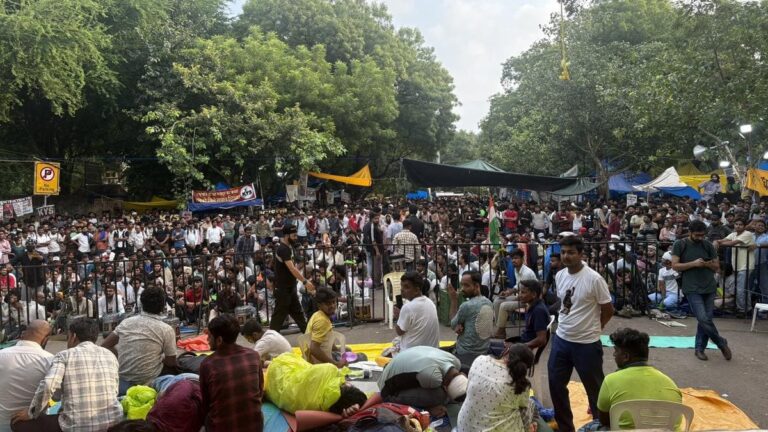

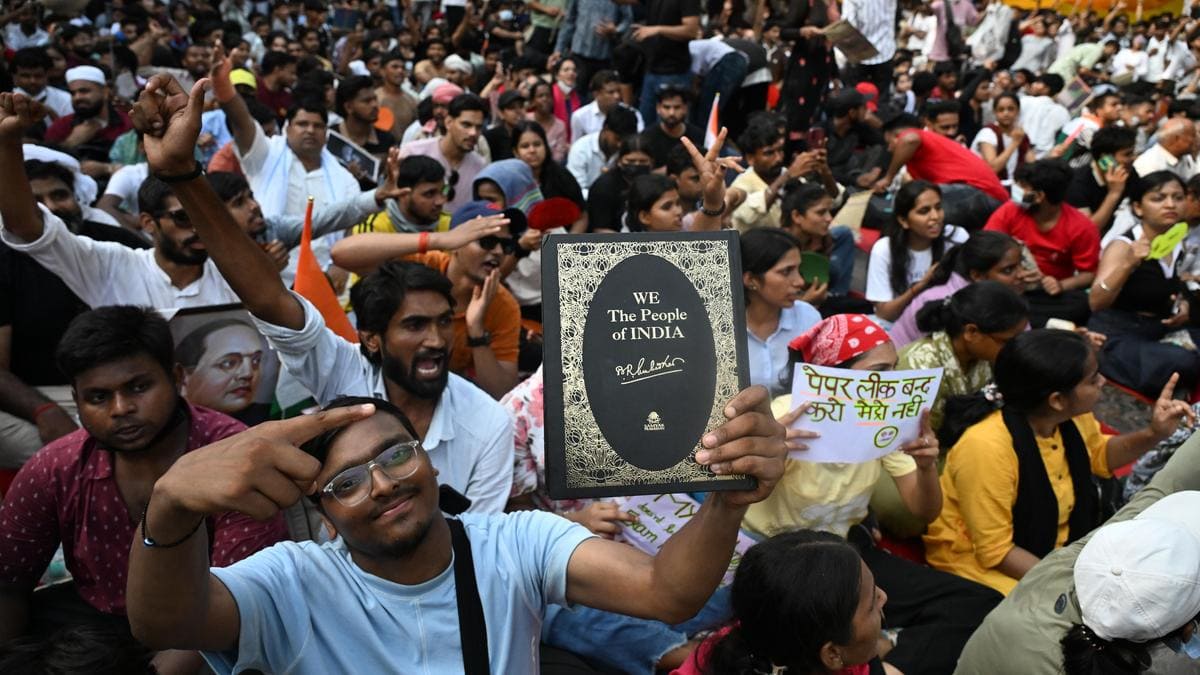
The ongoing NEET 2026 paper leak protests have evolved far beyond just demanding a re-test or a minister’s resignation. It has become a massive battle of narratives regarding the very foundation of India’s education system: trust, integrity, and social mobility.
For millions of students, competitive exams represent the only realistic pathway out of their current socioeconomic conditions and a step toward a better life. When that system is compromised, it completely breaks the core promise of meritocracy.
Here is the deeper context driving the nationwide anger to add to your post:
- The Demise of Meritocracy: Legal and educational experts note that paper leaks are not just academic misconduct; they are serious offenses against institutional trust and the foundational principle that merit—not manipulation or wealth—must dictate educational opportunity.
- A Crisis of Governance: The recurring nature of these leaks highlights a systemic governance crisis, causing widespread uncertainty and severely reducing students’ confidence in the system’s fairness, especially in high-stakes exams like NEET.
- The Real Trigger: The massive youth presence on the streets isn’t just about one single canceled exam. It is the culmination of a collective, boiling frustration against the absolute lack of transparency, accountability, and predictability in India’s institutions.
- The Socioeconomic Toll: The majority of these examinees are teenagers whose families have invested massive amounts of money and resources into coaching, enduring extreme hardships for their children’s dreams. When the system fails, it leaves students in a naturally depressive and broken state of mind because the processes they trusted are proven to have latent defects.
The time is critical for the government and educational organizations to completely remodel these systems, ensuring they are genuinely transparent, fair, and accountable, rather than just treating the immediate symptoms.