

The conflict in West Asia has hit a critical pause. After nearly five months of war, both the US and Iran have temporarily halted their fire, giving global markets and shipping routes a brief respite.
- The Combat Freeze: Following 13 consecutive nights of intense US bombing, both Friday and Saturday nights passed without any strikes. In response to the lull, Iran’s army announced they have completely stopped their retaliatory attacks against Washington’s allies in the region.
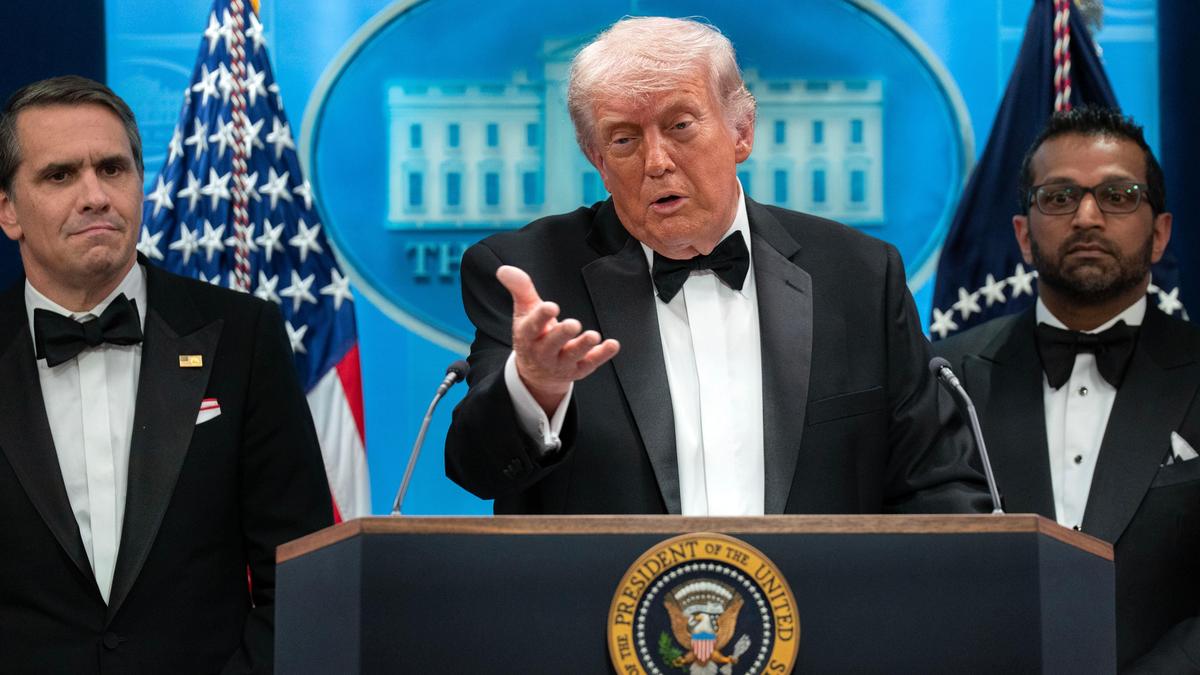
- Diplomatic Space: US UN Ambassador Mike Waltz confirmed that while American forces remain “locked and loaded,” President Donald Trump is officially giving the negotiations “a little bit of room” to operate.
- Market Relief: The pause in hostilities triggered an immediate reaction in global markets, causing oil prices to tumble roughly 5% in early Asian trading on Monday. Brent crude dropped to $91.20 a barrel, and the US dollar weakened against major currencies like the yen and euro as global investor confidence stabilized.
- Strait of Hormuz Progress: Backchannel diplomacy is moving forward, with Iran reporting constructive talks with Oman regarding the management and operational mechanisms for commercial ships navigating the highly contested Strait of Hormuz.
- Red Sea Disruption Continues: While the main US-Iran front is quiet, traffic through the Bab el-Mandeb strait hit a multi-month low on Sunday. Tehran-aligned Houthis attacked Saudi oil installations along the Red Sea coast over the weekend, actively attempting to blockade Saudi exports and further choke supply lines.
- US Domestic Pushback: In Washington, President Trump is facing growing backlash from lawmakers over the massive economic and military drain of the campaign. Despite the criticism, Trump has publicly dismissed reports that the US military is running low on munitions, stating that stockpiles easily exceed what is needed.